
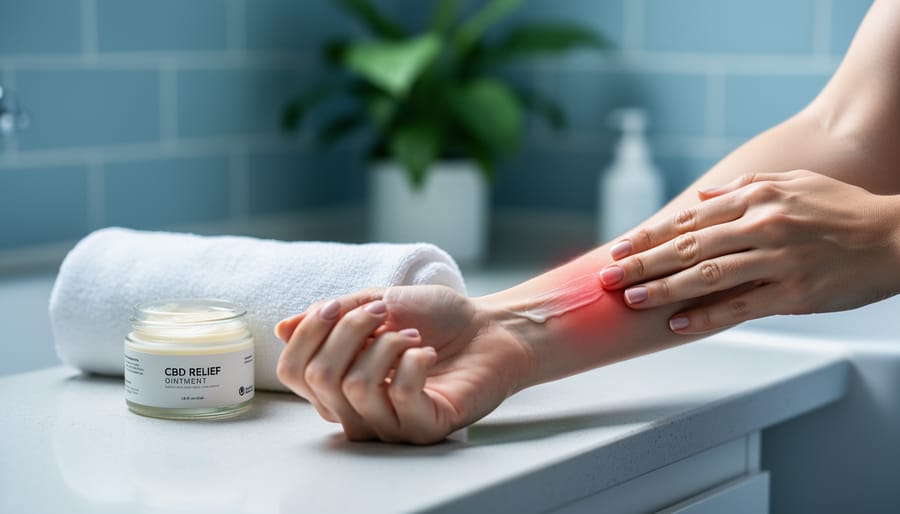
To use a CBD pain relief ointment, clean and dry the sore area, rub a thin layer into the skin until it absorbs, and wait at least 30 minutes before judging whether it helped. It takes about two minutes, it’s beginner-friendly, and the one real prerequisite is a patch test on a small spot of skin so you know it won’t irritate you.
That simple routine works because ointments are topicals. They act on the area where you apply them rather than entering your bloodstream in meaningful amounts, which is why people reach for them with sore knees, tight shoulders, or achy hands after long gaming and vaping sessions. If you’re coming from vaping and used to fast-acting inhalation, the pace will feel different. Topicals are slower and more local, and results vary a lot from person to person.
Research on CBD for pain is still developing, so no honest guide can promise relief. What it can do is help you choose a product with a clear lab report, apply it correctly, and track whether it’s doing anything for you. Experts generally suggest checking in with a doctor first if you take medication or have a skin condition, and many first-time users say their biggest worry is simply wasting money on a jar that doesn’t work.
This guide covers what to gather, how to vet a product, when to stop using it, the exact application steps, and a simple way to measure your results.
What a CBD Pain Relief Ointment Does (and Doesn’t) Do
Full-Spectrum, Broad-Spectrum, or Isolate: Terms Explained
Ointment labels use three terms to describe what’s in the jar, and they matter mostly for THC content.
Full-spectrum means the extract keeps the hemp plant’s cannabinoids, terpenes and other compounds, including trace THC (federally legal hemp products must stay at or below 0.3% THC). Broad-spectrum keeps most of that range but has the THC removed or reduced to undetectable levels. Isolate is the purified CBD molecule alone, with nothing else from the plant.
On a label, look for the words “full-spectrum,” “broad-spectrum,” or “CBD isolate” near the product name or in the supplement facts panel. A lab report should confirm what the label claims.
For drug testing, the trace THC in full-spectrum products is the concern. Topicals absorb locally, so the risk is lower than with products you inhale or swallow, but it isn’t zero. If you’re tested at work, isolate or a lab-verified THC-free broad-spectrum option is the more cautious route. This is also why some people exploring a pain relief balm works approach, or even gel caps instead of vaping check the spectrum type first.
What You’ll Need Before You Start: Tools and Materials
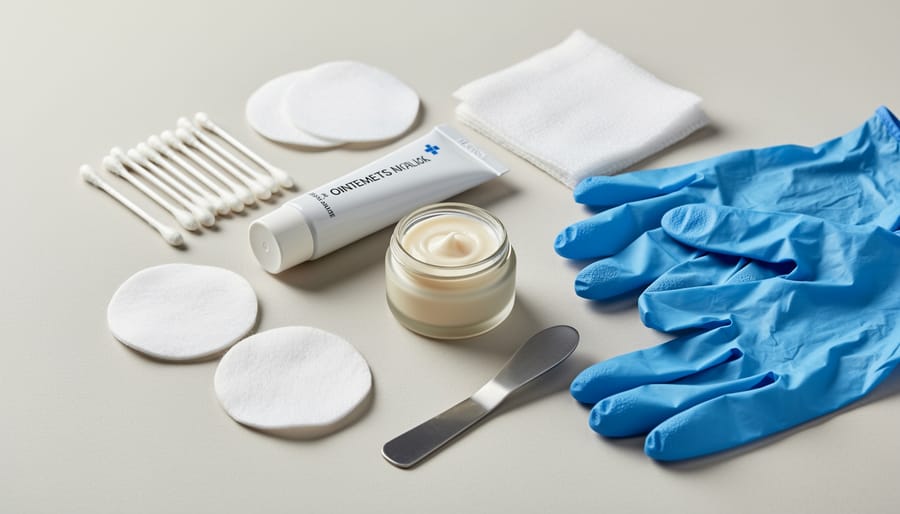
Before you rub anything on, take a few minutes to get the setup right. A good ointment and a few household basics make the whole process smoother and safer.
Start with the product itself. Look for a label that states the total CBD content per container, not just a vague “hemp extract” line. A 2-ounce jar with 500 mg of CBD, for example, tells you roughly how concentrated it is. Check for recent third-party lab results, usually called a certificate of analysis (COA), often reachable through a QR code or the brand’s website. It should confirm the CBD amount and show the product passed tests for heavy metals and contaminants. Read the full ingredient list too, since transparency here matters if you have sensitive skin. Be wary of any brand that promises to cure arthritis or replace medication. That kind of claim is unproven and a red flag.
Here’s a simple checklist of what to have ready:
- Your CBD ointment, unopened or freshly sealed.
- The lab report (COA), reviewed before you buy.
- Mild, unscented soap and a clean towel for prepping the skin.
- Clean hands or a small spatula for scooping the product.
- A small patch-test area, such as the inner forearm.
- A notepad or phone to track your pain and any skin reactions.
The spatula is a small detail that helps. Scooping with clean tools keeps bacteria out of the jar, especially if you share a bathroom or medicine cabinet. Keep the container somewhere cool and out of direct sunlight, so the formula stays stable.
Safety Warnings and When to Skip the Ointment
Before you reach for the tub, a few safety points are worth a minute of your time. CBD ointments are generally gentle, but “natural” doesn’t mean “risk-free,” and your skin and health history matter here.
Talk to a doctor first if you’re pregnant or nursing, take any medication (blood thinners in particular, since CBD can interact with some drugs), or deal with chronic or unexplained pain. Pain that has no clear cause, or that keeps coming back, deserves a proper evaluation rather than a cream. Also keep in mind that CBD products aren’t FDA-approved to treat pain, so an ointment is a comfort measure, not a treatment.
Skin sensitivity is the most common snag. Check the ingredient list for menthol, camphor, and essential oils, which can cause stinging, burning, or allergic reactions on their own, regardless of the CBD. If your skin is reactive, that’s another reason to skip anything with a long, fragrant ingredient list.
Where you apply it counts too. Never use ointment on broken or irritated skin, near your eyes, or on mucous membranes like your mouth or nose. Wash your hands afterward so you don’t carry it somewhere it shouldn’t be.
Drug testing is another thing to consider. Full-spectrum products can contain trace amounts of THC, and while topical use rarely causes problems, it isn’t impossible. If you face regular testing, a THC-free isolate or a broad-spectrum product backed by a recent lab report is the safer choice.
Finally, know your stop signs: a rash, burning, swelling, or pain that worsens or won’t go away. Any of these means put the tub down and check in with a healthcare professional.
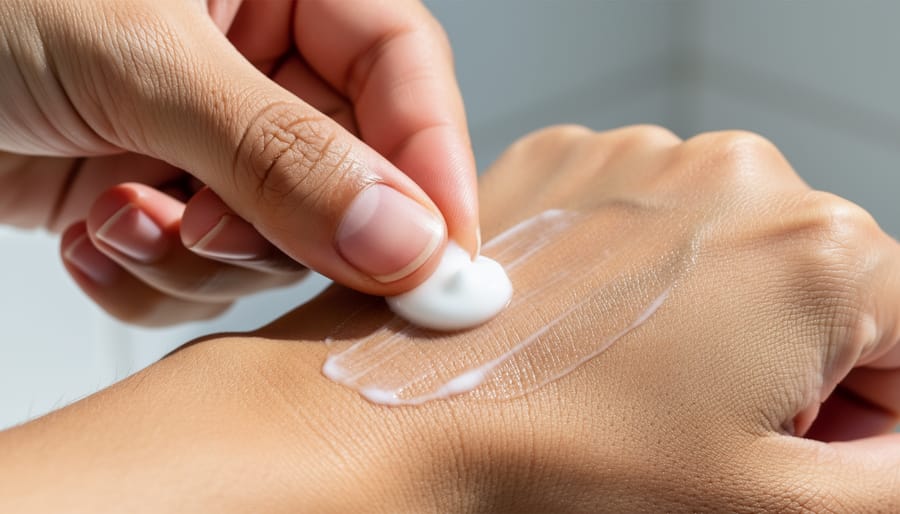
Step-by-Step: How to Apply CBD Ointment for Best Results
Common Application Mistakes (From Real Users)
Most mistakes with CBD ointment come down to impatience. The biggest one is slathering on too much. A pea-sized amount is plenty, and extra product just sits on the surface, wastes money, and can irritate your skin. Another is expecting instant relief. Topicals tend to build up over days of steady use, and if you’re curious about how the topical vs pills question plays out, the short answer is that rubbing something on a sore spot works on a different timeline.
People also skip the patch test, which is how most rashes happen, or put ointment on skin that’s already red or irritated. And plenty of folks quit after one try.
One reader told us, “I almost gave up after the first night. By the second week, I noticed my knee felt less stiff in the mornings.” That’s one person’s experience, not a promise, but it shows why consistency matters more than a single application.
How to Tell If It’s Working and What to Do Next
The easiest way to judge an ointment is to stop relying on memory. Pain fluctuates with weather, sleep, and activity, so a quick daily note beats a vague impression. Rate your discomfort from 1 to 10 before you apply, then again about 30 to 60 minutes after, and jot down how long any relief lasts. Do this for two to four weeks, and add a line about the skin itself: redness, itching, dryness, or warmth where you applied it.
After a couple of weeks, look for patterns. Is your “after” score consistently a point or two lower? Does relief fade within an hour or carry into the evening? Subtle gains count, but a flat line across two weeks of steady use is useful information too.
Here’s how to act on what you see:
– Mild or inconsistent relief: Try a slightly larger layer or apply more regularly, staying within the label’s directions.
– No change after a fair trial: Consider a different product, perhaps one with a different formula or a clearer lab report.
– Rash, burning, or swelling: Stop right away and wash the area.
– Pain that worsens, spreads, or lingers: Don’t keep experimenting. Book an appointment.
Many pain specialists put it plainly: topicals can take the edge off, but they aren’t a diagnosis or a cure. If your pain follows an injury, wakes you at night, comes with numbness or swelling, or simply won’t go away, it deserves a proper evaluation. Treat the ointment as one tool in your routine, not a reason to delay getting answers.
CBD Ointment Questions Beginners Ask Most
Still have a few questions before you try it? These are the ones newcomers ask most, answered as plainly as we can.
How long does CBD ointment take to work?
Some people notice a change within 15 to 30 minutes, while others need days of steady use before they can tell. Results vary from person to person, and there’s no guarantee it will help your particular aches.
Can I use ointment alongside my vape or oils?
Many people combine formats, since a topical stays local while vapes and oils are absorbed into the body. If you take medications or use several CBD products, though, check with your doctor or pharmacist first.
Will it show up on a drug test?
Isolate and broad-spectrum products shouldn’t contain THC, but full-spectrum ones can carry trace amounts. If you’re tested regularly, choose a product with recent third-party lab results and ask your employer or testing body about their policy.
Is a salve different from an ointment, cream, or balm?
The names overlap a lot. Ointments and salves tend to be thicker and oil-based, balms are usually waxier, and creams are lighter and absorb faster, so the label’s ingredient list tells you more than the name does.
Laws on CBD differ by country and even by state, so look up your local rules before ordering, especially if you travel with your products. And if a question isn’t covered here, a pharmacist or healthcare professional is a good person to ask.
To use a CBD pain relief ointment well, patch test first, apply a thin layer to clean, dry skin, massage it in, and give it time before you judge the result. That’s really the whole routine. The rest is staying patient and honest with yourself about what you notice.
Remember that CBD for pain management works best as one informed piece of a bigger picture. Stretching, movement, rest, good sleep, and professional guidance all matter, and an ointment can sit alongside them rather than replace them. If your pain is persistent or unexplained, get it checked.
Put quality and safety first: look for clear labeling, recent lab results, and no outsized promises. Track your relief over a few weeks so you’re relying on real notes, not guesswork. If you’re curious about other cannabinoids as you explore, you might start with what is CBG for a plain-language comparison.
Finally, we’d love to hear from you. Share what’s worked, what hasn’t, and what you wish you’d known earlier. Your experience helps other newcomers.