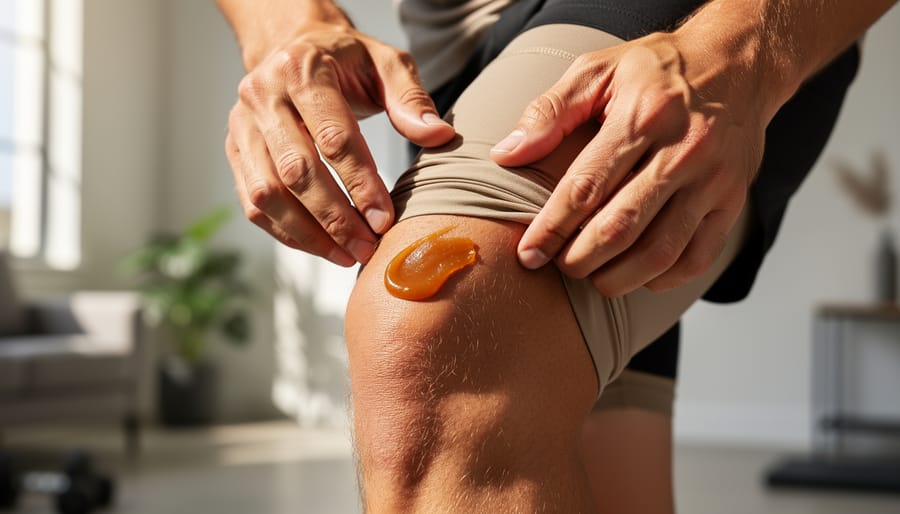
CBD pain relief balm works by delivering concentrated cannabidiol directly through your skin to interact with localized cannabinoid receptors, offering targeted relief without the psychoactive effects of THC. Most users report noticeable relief within 15 to 45 minutes of application, particularly for muscle soreness, joint stiffness, and chronic pain conditions like arthritis. The balm format provides longer-lasting effects than oral CBD because it bypasses your digestive system and concentrates active ingredients exactly where you need them.
The effectiveness comes down to three factors: CBD concentration (typically 300mg to 1,500mg per container), additional therapeutic ingredients like menthol or arnica, and the carrier oils that determine absorption rate. Products with full-spectrum or broad-spectrum CBD tend to produce stronger results than isolate-based balms due to the entourage effect, where multiple cannabinoids and terpenes work together.
Real users consistently highlight two main benefits: the ability to apply relief precisely to problem areas and the absence of side effects common with oral pain medications. A 52-year-old runner dealing with knee inflammation told us she replaced her ibuprofen routine entirely after finding a balm that worked, while a construction worker managing lower back pain noted he could finally sleep through the night without waking from stiffness.
Choosing the right product requires understanding potency levels, third-party lab testing results, and your specific pain type. This guide walks you through how CBD balms actually work in your body, what to expect from regular use, and how to select a product that matches your needs and budget in 2026.
What Makes CBD Pain Relief Balm Different
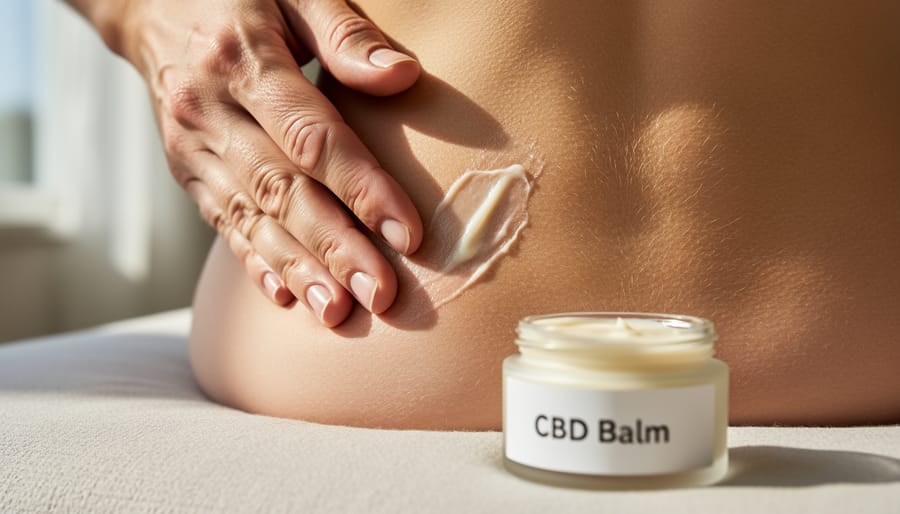
CBD pain relief balm is a thick, semi-solid topical product infused with cannabidiol extracted from hemp plants. Unlike CBD oils or capsules you swallow, you apply balm directly to your skin where it hurts. The consistency typically ranges from a firm salve to a softer cream, with CBD suspended in a base of carrier oils like coconut oil, shea butter, or beeswax.
The fundamental difference between CBD balm and oral CBD products comes down to delivery and scope. When you take CBD orally, it enters your bloodstream and affects your entire system, which can be helpful for widespread issues but means much of the CBD gets processed by your liver before reaching problem areas. With balm, you’re targeting specific spots directly. You rub it on your sore shoulder, aching knee, or tight lower back, and the CBD absorbs through your skin to work locally.
This localized approach matters because your skin contains cannabinoid receptors, part of your body’s endocannabinoid system. When CBD penetrates the skin layers, it interacts with these receptors and other cellular targets in the underlying tissue without entering your bloodstream in significant amounts. That interaction happens right where you need it, potentially reducing inflammation and pain signals in that specific area.
Compared to conventional topical pain relievers like menthol creams or lidocaine gels, CBD balm works through a different mechanism. Traditional topicals often create cooling or numbing sensations that distract from pain or temporarily block nerve signals. CBD, however, appears to address inflammation and pain signaling through the endocannabinoid system’s regulatory functions. Many balms combine CBD with traditional ingredients like menthol or arnica, offering multiple approaches to pain relief in one product.
The absorption process takes time. CBD molecules need to penetrate the outer skin barrier and reach deeper tissue layers where pain and inflammation occur, which is why effects aren’t instant like some topical analgesics that work on surface nerves.
How CBD Balm Actually Works for Pain
When you apply CBD balm to sore muscles or aching joints, you’re not just masking pain, you’re engaging with your body’s own regulatory system. CBD (cannabidiol) works through the endocannabinoid system, a network of receptors found throughout your body, including your skin. Unlike What CBG does in the body, CBD doesn’t bind directly to these receptors. Instead, it influences them indirectly, triggering a cascade of effects that address pain at its source.
Your skin contains CB2 receptors, part of the endocannabinoid system that regulates inflammation and pain signals. When CBD molecules penetrate the skin barrier, they interact with these local receptors without entering your bloodstream. This means the effects stay concentrated where you need them most, rather than dispersing throughout your entire system.
The real magic happens at the inflammation level. Most pain, whether from arthritis, muscle strain, or injury, involves inflammation, your body’s defence response that can become problematic when it’s chronic or excessive. CBD demonstrates anti-inflammatory properties by influencing cytokines, the proteins that signal inflammation to ramp up or calm down. By modulating this response, CBD helps reduce the swelling and tissue damage that generate pain signals in the first place.
CBD also affects how your nervous system processes pain. It interacts with vanilloid receptors (TRPV1), the same receptors that respond to heat and capsaicin from chilli peppers. By desensitising these receptors, CBD can reduce the intensity of pain signals travelling from the affected area to your brain. You’re feeling less pain because fewer and weaker signals reach your central nervous system.
There’s also evidence that CBD increases anandamide levels in the body. Anandamide, often called the “bliss molecule,” is your body’s own endocannabinoid that regulates pain, mood, and inflammation. CBD slows its breakdown, allowing it to remain active longer and continue its pain-relieving work.
This multi-pronged approach, reducing inflammation, modulating pain receptors, and supporting natural endocannabinoids, explains why some users find CBD balm effective when single-mechanism pain relievers fall short.
Types of Pain That Respond Best to CBD Balm
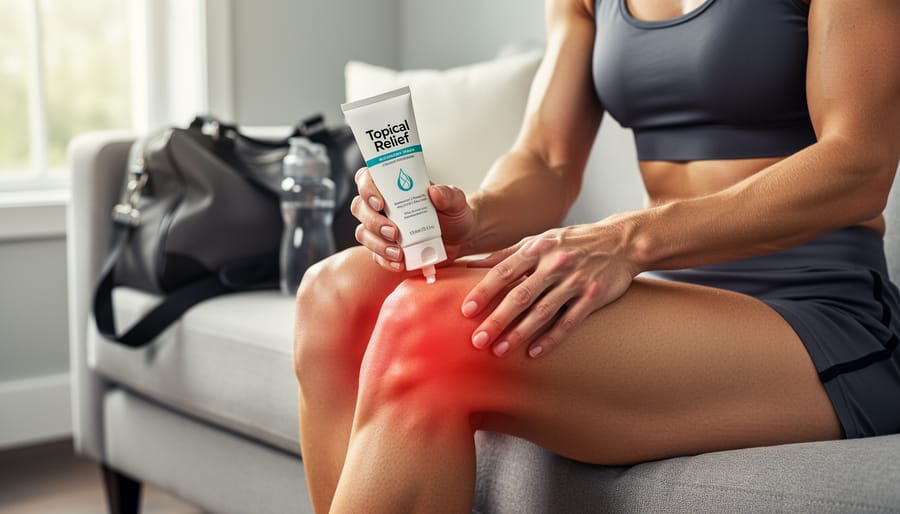
Chronic vs. Acute Pain Relief
Chronic pain and acute pain require different approaches with CBD balm, and understanding this distinction helps set realistic expectations.
For chronic conditions like arthritis or persistent back pain, consistency matters more than intensity. Most users find that applying CBD balm two to three times daily, morning, midday, and before bed, works better than sporadic use. The anti-inflammatory effects build over time, so you might notice gradual improvement over days or weeks rather than immediate relief. Think of it as maintenance rather than a quick fix.
Acute pain from a pulled muscle or sports injury responds differently. Here, CBD balm can provide more noticeable relief within 20 to 40 minutes of application. You can apply it as needed, though most people don’t exceed four to five times daily. The goal is addressing a specific flare-up rather than managing an ongoing condition.
One key difference: chronic pain users often reduce application frequency once they find their baseline, while acute pain typically resolves as the injury heals. If you’re dealing with both, you might apply more frequently to acute problem areas while maintaining regular coverage for chronic spots.
When to Combine CBD Balm with Other Pain Management
CBD balm rarely needs to work alone. Many people find their best results when they layer it with other pain management approaches rather than treating it as an all-or-nothing solution. If you’re already taking oral CBD, whether caps vs topical application, the balm can target specific trouble spots while the oral dose works systemically. The two methods complement each other without competing.
Physical therapy, stretching routines, heat or ice therapy, and over-the-counter anti-inflammatories can all work alongside CBD balm. Some users apply balm before physical therapy sessions to ease movement, or after workouts to address soreness. Others use it between doses of prescription pain medication to extend relief without increasing pharmaceutical intake.
Before combining CBD balm with any prescription medications, especially blood thinners or topical prescriptions, talk with your doctor or pharmacist. While topical CBD has minimal systemic absorption, it’s worth confirming there are no concerns specific to your situation. Bring the product label to your appointment so your provider can review the full ingredient list, not just the CBD content. Most healthcare providers appreciate patients who ask before adding new elements to their pain management routine.
What to Look for in a Quality CBD Pain Relief Balm
Choosing a quality CBD pain relief balm requires cutting through marketing claims to examine what actually matters for effectiveness. Start with CBD concentration, which typically ranges from 100mg to 2000mg per container. Higher concentrations don’t automatically mean better results, what counts is how much CBD you’re applying to the affected area. A 500mg balm in a 2-ounce jar delivers about 8mg per quarter-teaspoon application, which many users find sufficient for localized pain. If you’re treating larger areas or more severe pain, concentrations above 1000mg make more sense.
The full-spectrum versus isolate debate significantly impacts your experience. Full-spectrum balms contain the complete range of cannabinoids, terpenes, and other hemp compounds that work together through what researchers call the entourage effect. This means you’re getting not just CBD but also trace amounts of other cannabinoids. When comparing CBG vs CBD and other cannabinoid combinations, full-spectrum products often deliver more comprehensive relief. CBD isolate balms contain only pure CBD, which works well if you need to avoid even trace THC or have sensitivities to other hemp compounds.
Carrier ingredients form the base that delivers CBD through your skin. Quality balms use ingredients like coconut oil, shea butter, or beeswax that not only penetrate effectively but also nourish skin. Avoid products heavy with petroleum-based ingredients or synthetic fragrances that can irritate sensitive skin or interfere with absorption.
Additional pain-relieving compounds can enhance CBD’s effects. Menthol provides immediate cooling relief, arnica reduces inflammation and bruising, and essential oils like eucalyptus or peppermint offer their own therapeutic benefits. These complementary ingredients shouldn’t overpower the CBD, you want enhancement, not distraction.
Third-party testing separates legitimate products from questionable ones. Every quality balm should provide a certificate of analysis from an independent lab showing actual CBD content, confirming absence of heavy metals and pesticides, and verifying THC levels stay within legal limits. This documentation should be easily accessible, typically through a QR code on the packaging or on the company’s website.
Transparent labeling means clear ingredient lists, specific CBD amounts in milligrams, extraction methods, and hemp source. Companies confident in their products don’t hide behind vague terms like “hemp extract” or refuse to disclose where they source their CBD. In 2026, reputable brands readily share this information because informed customers make better buying decisions and become loyal users when products actually work.
How to Use CBD Pain Relief Balm Effectively
Getting the most from your CBD pain relief balm isn’t complicated, but a few simple techniques can make a real difference in how well it works.
Start with Clean, Dry Skin
Before applying anything, wash the affected area with soap and water and pat it completely dry. This removes dirt, oils, and sweat that can block absorption. If you’ve just exercised or the area is particularly sweaty, this step becomes even more important.
The Application Process
For maximum effectiveness, follow this sequence:
- Scoop out a small amount, roughly the size of a pea for a localized area like a knee, or a dime-sized portion for a larger area like your lower back.
- Warm the balm between your fingertips for a few seconds. This softens the product and makes it spread more easily.
- Apply directly to the painful area using gentle, circular motions. Don’t just smear it on the surface; massage it in for 30-60 seconds to help it penetrate.
- Extend the application slightly beyond the pain point. If your elbow hurts, cover a couple inches above and below the joint.
- Wash your hands thoroughly afterward, especially before touching your eyes or face.
After application, leave the area uncovered if possible to allow full absorption. If you need to cover it, wait at least 10 minutes.
How Much and How Often
Start conservatively. You can always add more, but you can’t take it back. Most users find success applying CBD balm two to three times daily, morning, afternoon, and before bed works well for chronic pain. For acute issues like post-workout soreness, applying immediately after activity and once more before sleep is often enough.
Timeline for Effects
During your first use, you might feel a cooling or warming sensation within minutes, depending on the additional ingredients. The actual pain relief typically kicks in after 15-30 minutes and can last anywhere from two to six hours. Don’t expect instant results with your first application. Many experienced users report that consistent use over several days builds cumulative benefits, with the most noticeable improvement appearing after three to five days of regular application.
Real User Experiences: What Works and What Doesn’t
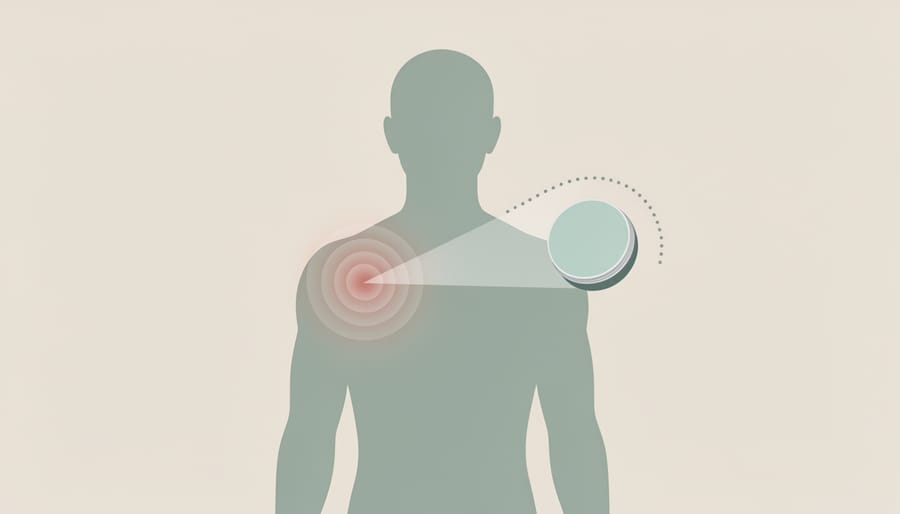
I’ve tried seven different CBD balms over the past two years for my arthritic hands, and the results have been genuinely surprising, both in what worked and what completely fell flat.
For my morning stiffness, a full-spectrum balm with 1,000mg CBD started showing real improvement around day five. I wasn’t expecting overnight miracles, but by the second week, I could open jars without wincing and type for longer stretches. The key was consistent twice-daily application, even when the pain wasn’t screaming. Skip a few days, and I noticed the stiffness creeping back.
My gym partner swears by CBD balm for post-workout muscle soreness, applying it immediately after training. He claims it cuts his recovery time noticeably and lets him train harder the next day. I tried the same approach after a particularly brutal leg session, it helped, but honestly not dramatically more than the sports gel I’d used before. The difference was subtle, maybe 20% better relief, which for some people makes it worthwhile but isn’t the game-changer he experiences.
Then there’s my sister, who tried CBD balm for her fibromyalgia pain. After three different products and eight weeks of dedicated use, she felt virtually no difference. Her pain remained unchanged, and the expense wasn’t justified by the non-existent results. This wasn’t about product quality, she’d tried reputable brands with third-party testing, it just didn’t work for her particular condition.
What I’ve learned from comparing notes with other users: response varies wildly by pain type and individual body chemistry. Localized joint pain and exercise-related soreness seem to respond best. Nerve pain gets mixed reviews, some people report moderate relief, others nothing. Widespread chronic pain conditions show the most inconsistent results.
The concentration matters more than many realize. Products under 500mg rarely delivered noticeable effects for anyone I’ve spoken with. Most successful users landed in the 750mg to 1,500mg range. One friend spent two months thinking CBD balm was useless, then switched from a 300mg product to an 1,000mg formula and finally got the relief she’d been seeking.
Patience proves essential. Nearly everyone who found success needed at least three to five days of consistent use before noticing real improvement.
Safety, Side Effects, and What to Watch For
CBD pain relief balm is generally well-tolerated, but knowing what to watch for helps you use it safely and confidently.
The most common side effect is mild skin irritation at the application site, redness, itching, or a slight rash. This typically happens with sensitive skin or when a balm contains additional ingredients like menthol or essential oils. Always test a small amount on your inner forearm before applying to larger areas, especially if you have reactive skin or known allergies.
Allergic reactions, though rare, can occur. Stop using the balm immediately if you develop hives, significant swelling, or difficulty breathing, and seek medical attention. Check ingredient lists carefully if you have allergies to hemp, coconut oil, beeswax, or other common carrier substances.
CBD balm doesn’t enter your bloodstream in meaningful amounts when applied topically, which means systemic side effects and drug interactions are minimal compared to oral CBD products. However, if you’re on blood thinners, immunosuppressants, or other medications with narrow therapeutic windows, discuss CBD use with your doctor first, even topical application warrants a conversation.
Pregnant and breastfeeding individuals should avoid CBD products entirely, as research on safety during these periods remains limited. Similarly, if you have open wounds, broken skin, or active infections, don’t apply CBD balm to those areas.
Quality matters enormously for safety. Third-party lab testing confirms what’s actually in the product, CBD concentration, absence of heavy metals, pesticides, and harmful contaminants. Reputable brands provide certificates of analysis readily. Just as regulations matter for topics like vaping legal Canada they’re important for CBD products, though enforcement varies widely across regions.
Your healthcare provider knows your complete medical picture. A quick consultation ensures CBD balm fits safely into your pain management approach without compromising other treatments.
CBD Balm vs. Other Pain Relief Options
Understanding where CBD pain relief balm sits among your options helps you make better choices. Each pain relief method has distinct strengths, and what works brilliantly for your neighbour might not suit your situation at all.
Traditional over-the-counter topical pain relievers like Bengay or Icy Hot rely on counterirritants, menthol or capsaicin creates a heating or cooling sensation that essentially distracts your nervous system from the underlying pain. They work fast, usually within minutes, but the relief tends to be superficial and short-lived. CBD balm takes a different approach by potentially reducing inflammation and interacting with pain receptors directly, which means slower onset but often deeper, longer-lasting effects for many users.
Oral CBD products like CBD gel caps or tinctures offer systemic relief that reaches your entire body, making them better for widespread pain or internal conditions. The trade-off is that they take 30 minutes to two hours to kick in, and you cannot target specific problem areas. CBD balm gives you precision, you apply it exactly where it hurts, but it will not help pain in areas you cannot reach or internal discomfort.
| Pain Relief Option | Onset Time | Duration | Best Use Cases |
|---|---|---|---|
| CBD Balm | 15-45 minutes | 4-6 hours | Localized joint, muscle, arthritis pain |
| Traditional Topicals | 5-10 minutes | 1-3 hours | Temporary muscle soreness, minor aches |
| Oral CBD Products | 30-120 minutes | 6-8 hours | Widespread pain, chronic conditions |
| NSAIDs (Oral) | 20-30 minutes | 4-6 hours | Inflammation-based pain, headaches |
Prescription pain medications obviously pack more punch for severe pain, but they come with dependency risks, systemic side effects, and the need for ongoing medical supervision. CBD balm presents virtually no dependency risk and minimal side effects, making it appealing for daily use or when you want to avoid stronger medications.
The reality is that CBD balm rarely replaces everything else, it becomes part of a toolkit. Many users apply CBD balm for persistent joint pain while keeping ibuprofen on hand for occasional headaches or using prescription medications for flare-ups. The balm shines as a middle-ground option when you need more than distraction but want to avoid the complications of oral medications.
Common Myths and Misconceptions About CBD for Pain
The CBD pain relief space is crowded with exaggerated claims and persistent misunderstandings that can set users up for disappointment or prevent them from trying a product that might actually help.
The most common myth is that CBD will get you high. CBD is non-intoxicating, full stop. Even full-spectrum balms contain only trace amounts of THC (under 0.3% in legal products), which isn’t enough to produce psychoactive effects through topical application. Your skin absorbs CBD locally, not into your bloodstream in quantities that would affect your mental state.
Another widespread misconception is that CBD provides instant pain relief like conventional numbing creams. While some balms include ingredients like menthol for immediate sensation, CBD’s anti-inflammatory effects typically develop over 20 to 40 minutes and build with consistent use. Users expecting instant results often give up too soon, before the product has time to work.
The “CBD cures everything” hype does real damage to credibility. CBD balm is not a miracle cure, and it doesn’t work equally well for everyone. It shows promise for certain types of pain, particularly inflammatory conditions and muscle soreness, but it’s not a replacement for necessary medical treatment or a solution for severe injuries.
Some people also believe that more CBD always means better results. Beyond a certain concentration (typically 500-1000mg per container), increasing the amount doesn’t necessarily improve effectiveness. Application technique, consistency of use, and the overall formulation often matter more than sheer CBD content.
Finally, the myth that all CBD products are the same ignores vast quality differences. Third-party testing, ingredient transparency, and manufacturing standards vary enormously across brands, directly affecting both safety and effectiveness.
CBD pain relief balm isn’t a magic bullet, but for many people dealing with localized pain, it offers something conventional options don’t: targeted relief without systemic side effects, a chance to address inflammation at the source, and an alternative when pills stop working or aren’t an option. We’ve seen it work wonders for arthritis sufferers, athletes with sore muscles, and people managing chronic nerve pain. We’ve also heard from users who didn’t feel any difference. That’s the honest reality.
Your pain is unique to you, and what works for your neighbor might not touch your discomfort. The key is approaching CBD balm with realistic expectations, choosing quality products with transparent testing, and giving it a fair trial with consistent application. Don’t abandon treatments that work for you, but don’t dismiss CBD balm just because it’s newer to the mainstream either.
We’re here to cut through the hype and give you straight answers about cannabinoid products. Pain management is too important for marketing fluff or one-size-fits-all advice. Whether you decide CBD balm is worth trying or not, we want you making that choice with actual information, not empty promises.